


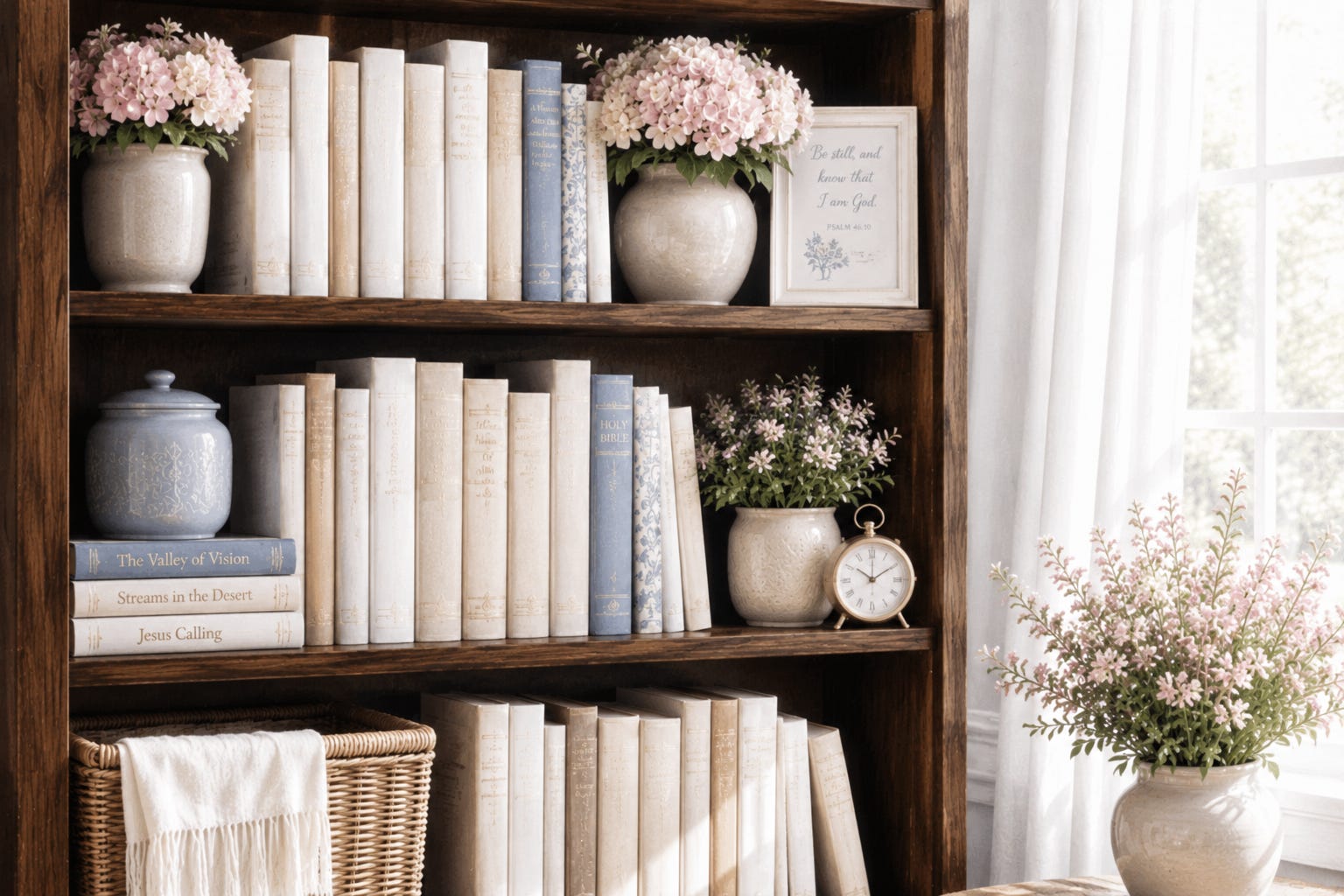
I carry books everywhere. I read while I’m waiting in the car, during my coffee, in the margins of ordinary time. I read poetry one week and cozy mysteries the next. I’ve read scripture and contemporary fiction and children’s classics and literary memoirs and romance that makes me blush. Some of the books on my shelf have language that would make the church ladies uncomfortable. Some have themes that don’t fit neatly into the boxes we’ve been taught to stay inside. And I don’t apologize for any of it. Here’s why.
(Note: As an Amazon Associate I earn from qualifying purchases. Some links in this post may be affiliate links, which means if you purchase through them, I may earn a small commission at no extra cost to you. Thank you for supporting me.)
Thanks for reading ::: sixth generation! Join me for faith-filled writing, quiet reflections, and stories from home delivered straight to your inbox.

::: the girl with the dozen books
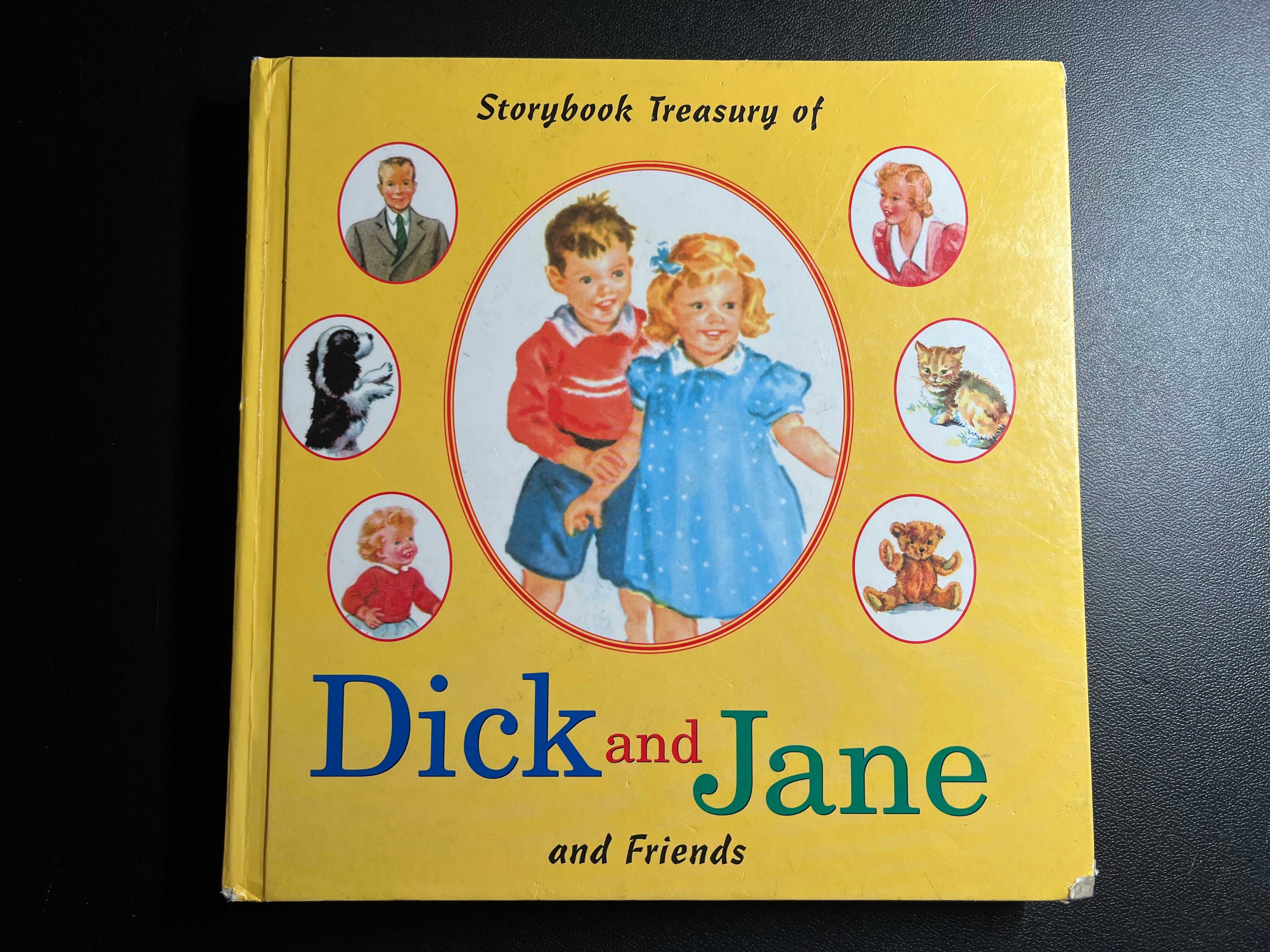
I was six years old when I fell in love with reading. Dick and Jane, Run, Spot, run. The pictures were bright and innocent, and the stories were simple, but they cracked something open in me. Here was a whole world that existed on the page. I could disappear into it anytime I wanted.
By high school, my local librarian knew me by name. She knew I would come in on Saturday mornings and make a beeline for whatever section called to me that week. She knew I read fast and voraciously and without apology. So she made an exception to the checkout limit and let me take out a dozen books at a time. A dozen. I would carry them home like treasure, stack them on my desk, and spend the week plowing through them.
Between the dinner dishes and before bed, under the pecan tree on our homestead with the light falling golden through the leaves, I read. I read like it was prayer. Like it was breathing. Like the worlds inside those books were the ones that actually made sense.
At the end of the week, I’d head back to the library with my dozen ready to exchange for the next set of glorious worlds.
That librarian never questioned what I was reading. She never steered me toward certain books or away from others. She just kept my library card active and my stack full.
::: what a literacy specialist knows
I loved college because of books. I became a literacy specialist because I believed then—and I believe now—that reading changes people. It expands the way you see the world. It teaches you empathy. It lets you live a thousand lives instead of just one. I wanted my first graders to experience the same joy I felt with reading.
In college, I took a class on classic literature that made me feel alive in a way I can’t quite describe. We read Austen and Brontë and Dickens. We argued about symbolism. We parsed sentences for meaning. We sat in a circle and talked about what it meant to be human in the way that only literature can teach you. I was the nerd in the back taking notes and wanting to discuss it further.
That class changed something in me. It showed me that reading wasn’t just about entertainment, though entertainment matters. It was about encountering different minds, different worlds, different ways of being. It was about becoming more yourself by understanding how other people become themselves.
And it taught me something crucial: I don’t have to agree with every idea in a book to learn something from it. I don’t have to believe everything a character believes to understand why they believe it. Reading isn’t about finding books that confirm what I already know. It’s about finding books that challenge me, stretch me, make me think harder about what I believe and why.
::: the uncomfortable truth about Christian reading
I’m a Christian woman. I read scripture. I pray. I believe in grace and redemption and the way faith orders a life.
I also read books that the church questions.
I read contemporary fiction written by authors who don’t share my faith. I read memoirs by people who have left Christianity or never found their way into it. I read poetry that grapples with doubt. I read novels that contain language that would get you sent to the principal’s office in the 1960s. Some of the books on my shelf explore sexuality and struggle and moral ambiguity in ways that don’t fit into the tidy categories the church has taught me.
For a long time, I felt guilty about this. I thought it meant I wasn’t faithful enough. I thought it meant I was letting the world creep into my spiritual life. I thought my bookshelf was evidence that I was compromising.
But then I remembered why I read in the first place. I read because it expands my world. Because it teaches me to see through other people’s eyes. Because it makes me more human, more compassionate, more capable of understanding the people God has called me to love.
A book with a few instances of profanity doesn’t shake my faith. A character who makes choices I wouldn’t make teaches me something about what it means to be human. A narrative that challenges my assumptions doesn’t mean I’m abandoning my convictions. It means I’m thinking seriously about what I believe and why.
That’s not rebellion. That’s integrity.
::: what’s actually on my shelf
My reading list on any given week looks like a library that forgot to organize itself. This week I might read scripture, a contemporary literary novel, a cozy mystery, a book of poetry, and a picture book with my grandchildren. I don’t read by genre. I read by invitation.
What does that mean?
It means I follow what calls to me in the moment. Sometimes I need comfort, so I reach for a cozy mystery—something that promises a problem solved by the last page, a world ordered and safe.
Sometimes I need to be challenged, so I pick up something literary and difficult that makes me work for the meaning.
Sometimes I need beauty, so I reach for poetry.
Sometimes I need to be reminded of truth, so I open scripture.
What I don’t read are books that delight in cruelty for its own sake. I don’t read horror. I don’t read graphic descriptions of violence or suffering that exist just to gross you out. I have boundaries, and those boundaries are real.
But within those boundaries? I read widely. I read books that surprise me. I read books written by people who see the world differently than I do. I read books that have uncomfortable language or uncomfortable themes because I believe that encountering complexity is part of becoming a thinking person.
And when I recommend a book to someone, I try to tell them what they’re getting into. I mention the language. I note the themes. I don’t pretend that something is safe when it isn’t.
But I also don’t apologize for recommending it, because I believe that adult readers can decide for themselves what they want to read.
::: permission to read
If you’re a Christian woman who has felt guilty about the books on your shelf, I want to give you permission to stop. If you’ve been told that certain kinds of reading are dangerous or faithless, I want to challenge that.
Reading widely doesn’t make you less Christian. It makes you more thoughtful, compassionate, and less judgmental of people who see the world differently than you do, because you’ve been inside their stories. You’ve lived their lives for a little while. You understand them.
That’s the opposite of faithless. That’s bearing witness. That’s loving your neighbor by actually trying to understand them.
So pick up the book that intrigues you. Read the author whose beliefs don’t match yours. Don’t apologize for the novels on your shelf.
And if someone questions what you’re reading, remember that librarian who knew me by name and never once asked me to justify my choices. She understood that a reader who thinks for herself is doing the most important work there is.
Your reading list is yours. Read widely. Think deeply. Become yourself through the thousand lives that books offer you.

What kind of reader are you? Do you read widely, or do you tend to stay inside one lane?

Download this free printable and use the guided prompts and other resources to reflect a little longer.

You're surely an avid reader, plus a literacy specialist. I'm delighted to hear that you found your voice. Cheers and blessings!